Sassanid Fire Temple – Natanz
Sassanid Fire Temple at a Glance
Sassanid Fire Temple – Natanz: A Hidden Relic of Ancient Persia in Natanz
Discovering the Sassanid Fire Temple in Natanz
The Sassanid Fire Temple stands as one of the most intriguing yet understated remnants of ancient Iranian heritage in Natanz, offering a rare glimpse into the spiritual and architectural world of pre-Islamic Persia. Located in close proximity to the historic Natanz Mosque, this fire temple rests on a modest elevated platform about 2 meters above ground level, quietly preserving echoes of the Sassanid era’s religious traditions.
For travelers exploring Natanz attractions, this site is not merely a ruin—it is a layered historical narrative carved into stone and memory. It reflects the enduring legacy of the Sassanid Empire, a civilization that shaped much of Iran’s architectural and spiritual identity. Today, the temple invites visitors to step into a landscape where archaeology, religion, and cultural evolution intersect.
Historical Background
The Sassanid Fire Temple in Natanz is believed to date back to the flourishing period of the Sassanid Empire, though exact dating remains a subject of scholarly discussion. Archaeologists generally agree that fire temples like this were central to the religious framework of Zoroastrianism, the dominant faith of pre-Islamic Persia.
During the Sassanid period (224–651 CE), fire temples served not only as religious sanctuaries but also as symbols of imperial legitimacy. The sacred fire, continuously maintained by priests, represented purity, truth, and divine order. In regions such as central Iran, including present-day Natanz, these temples were often strategically placed near settlements or administrative centers.
Historical interpretations suggest that Natanz, situated along important inland routes, may have hosted a modest but significant religious complex. While large imperial fire temples such as those in Fars and Kerman are better documented, smaller regional sanctuaries like the Natanz fire temple provide essential insights into how Sassanid religious life extended beyond major urban centers.
After the Islamic conquest of Persia in the 7th century, many fire temples were either abandoned, repurposed, or gradually absorbed into new architectural layers. The proximity of this site to later Islamic monuments, especially the Natanz Mosque, illustrates the cultural continuity and transformation that defines Iranian historical landscapes.
Architectural Features
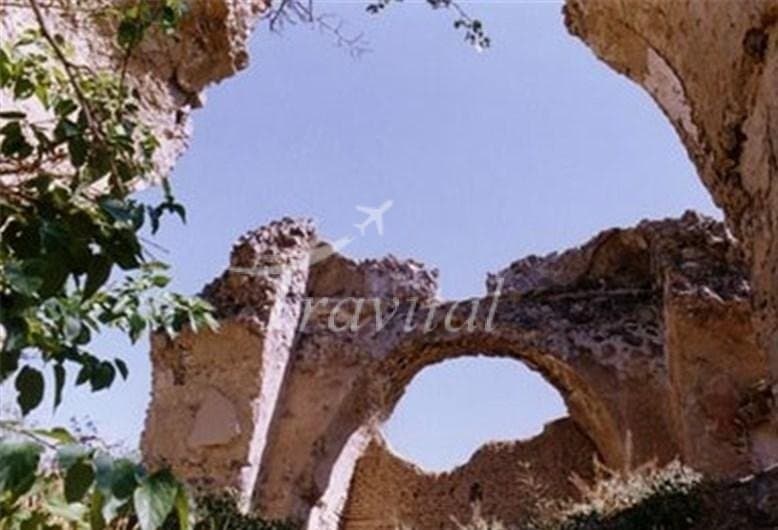
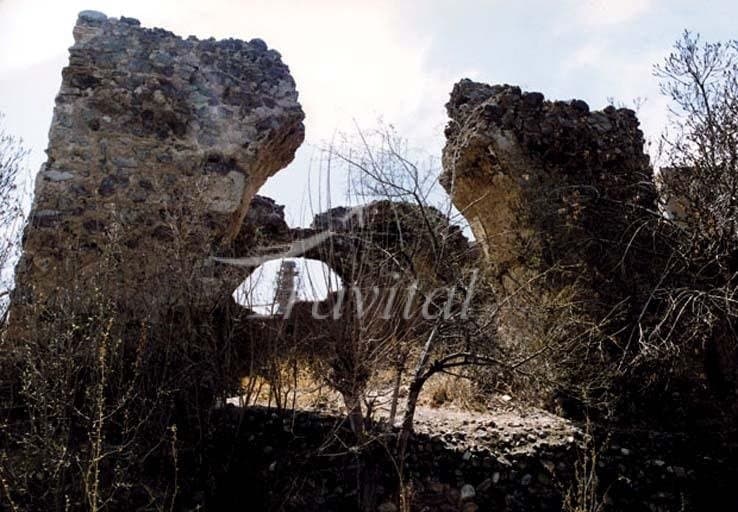
Although partially ruined, the Sassanid Fire Temple in Natanz still preserves architectural clues that reflect classic Sassanid architecture.
The structure is built on a raised platform approximately two meters above ground level. This elevation is not accidental—it symbolizes spiritual ascension and separation from the profane earth, a key concept in Zoroastrian ritual spaces.
Key architectural elements include:
- Centralized sacred space: The temple likely contained a domed chamber where the sacred fire was kept.
- Stone and mortar construction: Typical of Sassanid engineering, emphasizing durability and geometric clarity.
- Minimal exterior ornamentation: Reflecting the spiritual focus on inner purity rather than external decoration.
- Elevated base platform: A characteristic feature of fire temples designed to elevate the sacred space.
Even in its current fragmented form, the site conveys a strong sense of architectural restraint and spiritual purpose. Unlike later Islamic monuments that emphasize intricate tilework, Sassanid sacred architecture is defined by structural symbolism rather than surface decoration.
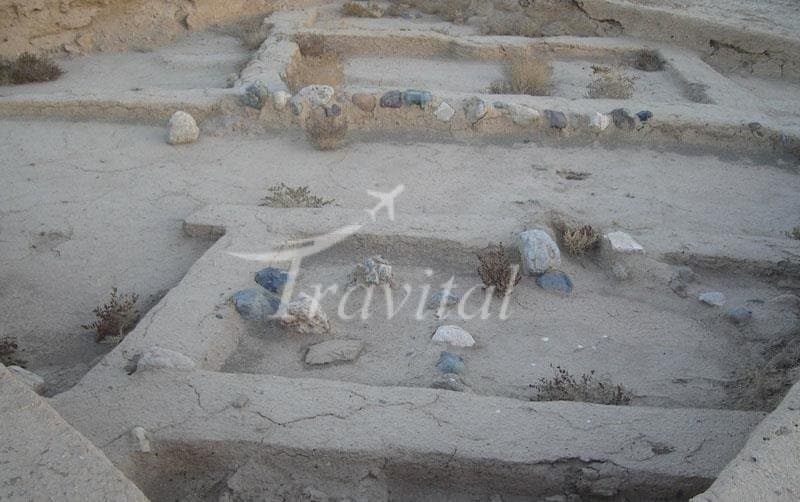
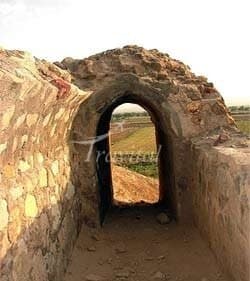
Visitors today may find only remnants of walls and foundational layouts, yet these traces are enough to reconstruct a mental image of the temple’s original sacred geometry.
Cultural and Religious Significance
The Sassanid Fire Temple in Natanz is deeply tied to the religious identity of ancient Iran. Fire temples were central to Zoroastrian practice, where fire symbolized divine wisdom and the eternal presence of Ahura Mazda.
Within the broader context of the Sassanid Empire, such temples were more than places of worship—they were ideological pillars of state power. The empire actively promoted Zoroastrianism as a unifying cultural force, and fire temples reinforced this unity across diverse provinces.
In Natanz, the temple’s location near later Islamic architecture such as the Natanz Mosque reflects a fascinating cultural layering. Rather than erasing earlier traditions entirely, Iranian civilization often integrated and reinterpreted them. This makes the site particularly valuable for understanding continuity in sacred geography.
For historians, the Natanz fire temple represents:
- The spread of Zoroastrian religious infrastructure in central Iran
- The regional adaptation of imperial religious architecture
- The transition from pre-Islamic to Islamic cultural landscapes
For travelers, it offers something more intangible: a sense of stepping into a place where multiple eras coexist silently.
What to See Today
Although the Sassanid Fire Temple in Natanz is not a fully restored monument, visiting it still offers a meaningful archaeological experience.
Visitors can observe:
- The raised stone platform, still clearly visible despite erosion
- Fragmentary wall bases that outline the original structure
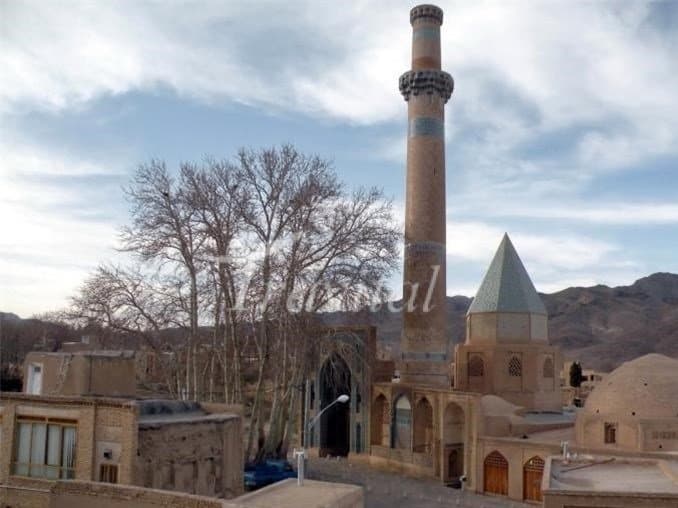
- The spatial relationship between the temple and nearby historical buildings
- The surrounding landscape, which remains relatively undeveloped and preserves a sense of antiquity
What makes the visit compelling is not grandeur but subtlety. Unlike heavily restored heritage sites, this temple allows the imagination to participate in reconstruction. Standing on the platform, one can envision priests tending the sacred fire, rituals unfolding at dawn, and the quiet authority of Sassanid religious life.
Visitor Information (How to Visit)
Location: Near central Natanz, close to Natanz Mosque
Region: Natanz, Iran
How to Get There
Natanz is accessible via road from major Iranian cities such as Isfahan and Kashan. Once in Natanz, the fire temple site is reachable by a short drive or walk from the historic mosque area.
Opening Conditions
There are no formal opening hours, as the site is an open archaeological ruin. Visitors can generally access it during daylight hours.
Entry Fee
No official entry fee is typically required, though conditions may vary depending on local heritage management policies.
Best Time to Visit
- Spring (March–May): Ideal temperatures and clear skies
- Autumn (September–November): Comfortable weather for walking and exploration
Summer can be hot and dry, while winter may bring cold desert winds.
Nearby Attractions
Natanz is rich in historical and cultural sites that complement a visit to the fire temple. Travelers interested in sights in Natanz should consider exploring:
- Natanz Mosque – A striking example of early Islamic architecture built over earlier cultural layers
- Traditional bazaars of Natanz – Offering local crafts and regional produce
- Nearby desert landscapes – Ideal for photography and quiet reflection
- Ancient caravan routes – Remnants of Iran’s historical trade networks
Together, these sites create a layered itinerary that spans from pre-Islamic antiquity to Islamic-era urban culture.
Travel Tips
- Wear comfortable walking shoes, as the terrain around the site is uneven and partially unpaved.
- Bring water, especially in warmer months, as shade is limited.
- Combine your visit with Natanz Mosque to better understand the site’s historical layering.
- Hire a local guide if possible—interpretation adds significant depth to the experience.
- Respect the archaeological remains; avoid stepping on fragile stone foundations.
Practical Travel Tip
If you are planning a broader cultural tour of central Iran, allocate at least half a day to Natanz. The fire temple and mosque are best experienced slowly, allowing time to absorb the contrast between ancient Zoroastrian heritage and later Islamic architecture.
Did You Know?
The Sassanid Fire Temple in Natanz is part of a wider network of regional fire sanctuaries that once connected remote settlements across the Iranian plateau. Many of these smaller temples were not grand imperial monuments but local spiritual centers, suggesting that Zoroastrian practice was deeply embedded in everyday life rather than limited to royal courts.
Cultural Explanation: Why Fire Was Sacred
In Zoroastrian tradition, fire is not worshipped as a deity but revered as a symbol of divine truth and purity. It represents the presence of cosmic order and is kept eternally burning in temples as a reminder of spiritual discipline. The fire temple in Natanz embodies this philosophy in architectural form—simple, elevated, and oriented toward inner sanctity rather than outward display.
This symbolic system influenced not only religious life but also Sassanid governance, ethics, and even artistic expression, making fire temples central to understanding ancient Iranian civilization.