Rageh Canyon – Rafsanjan
Rageh Canyon at a Glance
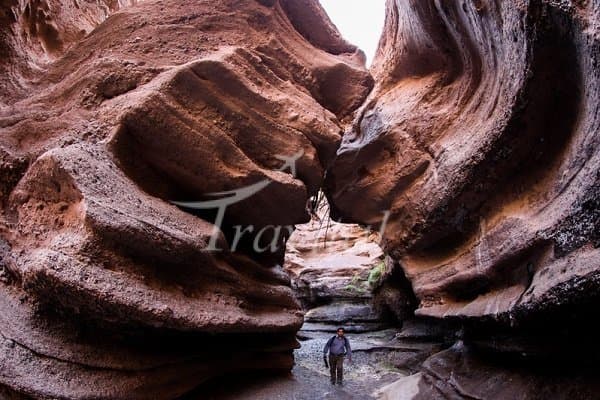
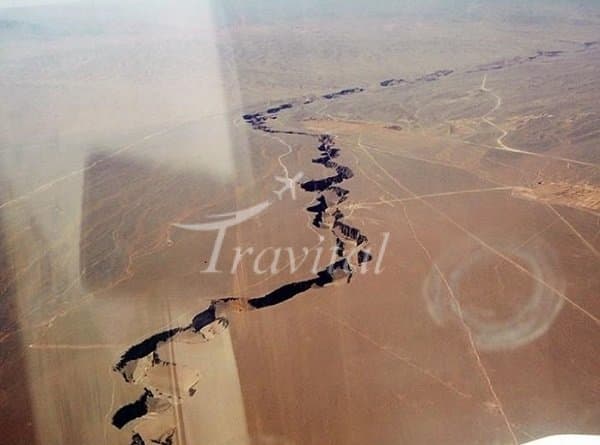
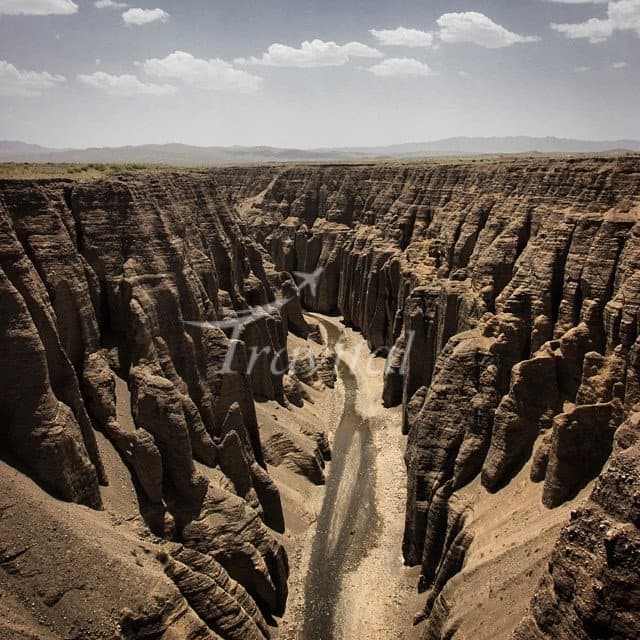
Kerman is a vast province, due to its climatic conditions, its tourist attractions, ecotourism, geotourism, and nature tourism, it is the home of many natural tourist attractions. Rage valley is one of the natural beauties like Shahdad's Kaluts in this province. The valley or strait of Rageh, located near the city of Rafsanjan, is about 20 kilometers long and has a depth of 80 meters. The Rageh canyon is likely one of the unique and delightful natural phenomena of Rafsanjan County. This valley is created by Guivdary River, its floods and soil erosion of it throughout several thousand years. This valley was unknown until some just a few years in the past. Some features of the valley are sharp conical peaks, blades and strip wise walls. Rageh valley is about 20 km in size which includes stunning shapes which made by several thousand years of abrasion. In some locations among columns and wall peak jags there are attention-grabbing and numerous spatial shapes furthermore it may be seen slender and broad passages alongside the river and valley walls, along with small or large holes and cuts which a few of them are natural and a few are artificial long ago.
Traits of Rageh Canyon
- Particular morphology of the canyon (distinction and conjugation of flat surrounding fields and deep valley with its shapes that are manufacturing of abrasion.
- Safety of the district as a should for tourist attraction.
- Rafsanjan airport (20 km roughly)
- Sand-bed access road.
- District virginity.
- Presence of some species of birds such as eagle… across the valley and possible bird watching tours.
- Chance for astronomy tours (lack of troublous lights)
- This valley with its particular morphology could be one of Geo tourism destinations and Sarcheshmeh copper mine as a complementary for it.
- Moreover this valley could be part of tourist path which connects two Eco tourist sights of the province, Meymand village and Shahdad Kaluts and who come Kerman for ecotourism might go to this distinctive natural phenomenon.
Astronomy and Sky Watching Tours
On the walls of the Strait, there are stones and structures in beautiful shapes that look like stone carvings of ancient civilizations. At the edge of the beautiful and spectacular cliffs, the ever-reaching river of Guidor through the Strait makes the Rageh an inspirational place. In addition to all the beauty of the valley, watching the desert sky at night is another tourist attraction in the area. Now the valley is a place for the presence of some observation tours of the sky and valleys and climbing. Rageh, which is beside Qeshm and Aras, is the third Iranian Geopark, which in addition to its earthly beauties, has a ghastly skyline, which makes it a suitable place for astro tourism or astronomy tourism.
Remarkable natural landscapes in southeastern Iran
Among the most remarkable natural landscapes in southeastern Iran, Rageh Canyon stands as a dramatic testament to the power of water, time, and geological transformation. Located near Rafsanjan in Kerman Province, this extraordinary canyon stretches for approximately 20 kilometers and reaches depths of nearly 80 meters. Carved over thousands of years by the persistent flow and seasonal floods of the Guivdary (Guidor) River, the canyon presents a spectacular world of towering rock walls, sharp pinnacles, natural corridors, and sculpted formations that seem almost otherworldly.
While Kerman Province is internationally known for attractions such as Shahdad’s Kaluts and the ancient village of Meymand, Rageh Canyon has emerged as one of the most fascinating yet lesser-known Iran attractions. The landscape offers a compelling combination of geotourism, ecotourism, adventure travel, birdwatching, and astronomy tourism. For travelers exploring the diverse canyons of Iran, Rageh Canyon provides an unforgettable encounter with nature's artistry.
What makes this destination particularly captivating is the contrast between the relatively flat surrounding plains and the deep, winding canyon hidden within them. Arriving at the edge, visitors often experience a moment of surprise as the earth suddenly opens into a labyrinth of stone towers, narrow passages, and shadow-filled ravines sculpted by millennia of erosion.
Historical Background
Unlike Iran's famous historical monuments, Rageh Canyon is not a product of human civilization but rather a geological archive shaped over countless centuries. Geological studies and regional observations suggest that the canyon's distinctive morphology developed through the long-term erosive action of flowing water and seasonal flood events. The Guivdary River gradually cut through layers of sedimentary deposits, creating the canyon's dramatic relief and unique formations.
For much of its existence, Rageh Canyon remained largely unknown outside local communities. The remoteness of the area and limited tourism infrastructure meant that it attracted little attention until recent decades. As interest in geotourism expanded across Iran, researchers, nature enthusiasts, and photographers began documenting the canyon's extraordinary geological features.
Today, Rageh Canyon is increasingly recognized as one of Kerman Province's most valuable natural heritage sites. Scholars and tourism planners have proposed the area as an important geotourism destination due to its scientific significance, visual appeal, and educational value. Its geological characteristics have even led some experts to compare it with internationally recognized canyon systems, albeit on a smaller scale.
The canyon also forms part of a broader landscape rich in natural and cultural heritage. Located between several significant tourism destinations of Kerman Province, it contributes to a travel corridor that includes Meymand Village, Shahdad Kaluts, and other notable regional landmarks.
Architectural Features
Although Rageh Canyon is a natural formation rather than a human-built structure, its visual appearance often evokes the grandeur of monumental architecture. Visitors frequently describe the canyon walls as resembling ancient fortresses, ruined temples, or colossal stone sculptures crafted by forgotten civilizations.
The canyon's most distinctive features include:
- Sharp conical rock peaks rising dramatically from the canyon floor.
- Blade-like ridges shaped by continuous erosion.
- Vertical walls displaying intricate textures and sedimentary layers.
- Narrow corridors and wider passageways created by river action.
- Natural holes, cavities, and openings within the rock formations.
- Complex patterns of cliffs and columns that change appearance throughout the day as sunlight shifts.
Many of the formations appear almost sculptural. In certain sections, the walls contain shapes resembling human faces, animals, towers, and mythical figures. These visual illusions are produced by differential erosion, where softer materials wear away faster than surrounding rock.
One of the canyon's most fascinating characteristics is the interplay between light and shadow. During sunrise and sunset, warm desert light highlights the ridges and textures, transforming the canyon into a landscape of vivid contrasts and dramatic silhouettes.
Did You Know?Many visitors initially mistake some of Rageh Canyon's rock formations for ancient carvings or man-made monuments. In reality, these striking shapes are entirely natural, created through thousands of years of water erosion and sediment weathering.
Cultural and Religious Significance
Although Rageh Canyon lacks the direct religious importance associated with Iran's historic mosques, shrines, or Zoroastrian fire temples, it occupies a meaningful place within the broader cultural landscape of Kerman Province. Across Iranian history, dramatic natural environments have often inspired folklore, spiritual reflection, and artistic expression.
The canyon's unusual formations have sparked local stories and interpretations, with some residents comparing the stone towers to ancient guardians watching over the valley. Such narratives reflect a long-standing cultural tradition in Iran of attributing symbolic meaning to remarkable natural features.
From a contemporary perspective, Rageh Canyon contributes to a growing appreciation of Iran's natural heritage. It highlights an important aspect of the country's identity that extends beyond its celebrated archaeological sites and historical architecture. For travelers interested in understanding the full spectrum of Iranian heritage, the canyon demonstrates how geological landscapes can be as culturally meaningful as human-made monuments.
The site also supports environmental education and scientific tourism. Geologists, ecologists, photographers, and astronomy enthusiasts increasingly visit the area to study and experience its unique characteristics.
Cultural Insight: In many regions of Iran, natural landscapes are viewed not merely as scenery but as living expressions of time, history, and creation. Places like Rageh Canyon encourage visitors to appreciate nature as an integral component of the country's cultural identity.
What to See Today
Modern visitors to Rageh Canyon encounter one of the most visually striking natural attractions in Kerman Province. The journey begins across relatively open terrain before the canyon suddenly reveals itself through a series of steep cliffs and winding passages.
Highlights include:
- The Canyon Walls: Towering formations sculpted into extraordinary shapes by erosion.
- The Guivdary River: The watercourse responsible for creating the canyon's distinctive landscape.
- Birdwatching Opportunities: The area supports several bird species, including eagles and other raptors.
- Photography Locations: Exceptional opportunities for landscape and geological photography.
- Hiking and Exploration: Numerous routes allow visitors to experience different sections of the canyon.
- Astronomy Experiences: Minimal light pollution creates ideal conditions for observing the night sky.
The canyon's preservation remains relatively strong because large-scale development has been limited. This sense of isolation contributes significantly to its appeal. Travelers often describe the experience as stepping into a hidden geological world far removed from urban environments.
At night, the canyon reveals another dimension of its beauty. Under clear desert skies, countless stars become visible, making the area increasingly popular for astronomy tours and astrophotography.
Visitor Information (How to Visit)
Rageh Canyon is located near Rafsanjan in Kerman Province, approximately 25 kilometers from the city center. Access is generally possible via local roads, including sections of sand-bed routes leading toward the canyon.
How to Get There
- By Air: Rafsanjan Airport is located roughly 20 kilometers from the canyon area.
- By Road: Rafsanjan is connected to major cities in Kerman Province through regional highways.
- By Tour: Many nature-focused and geotourism itineraries include the canyon alongside other Kerman sights.
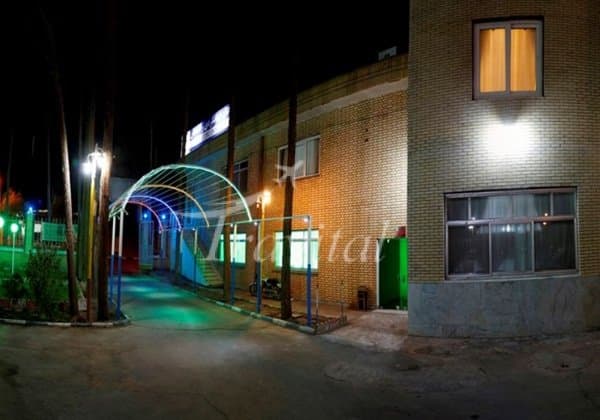
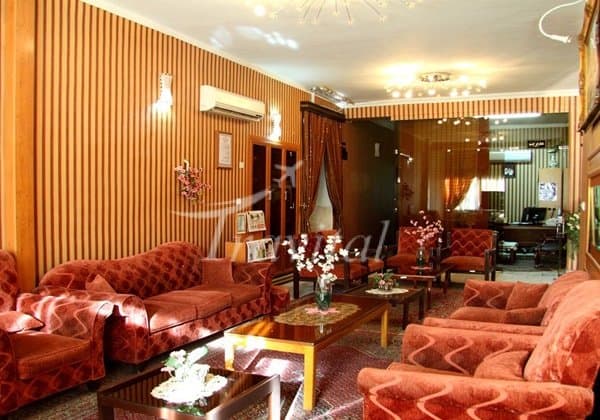
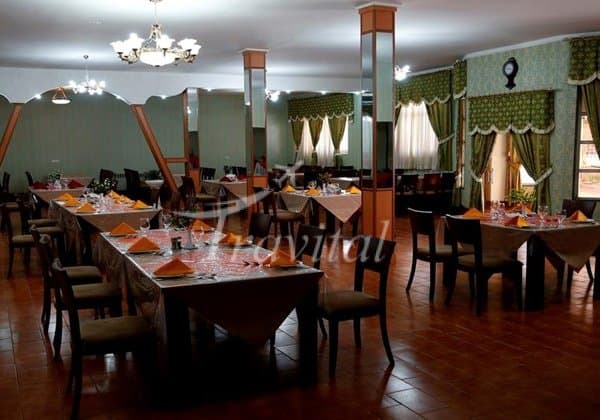
Travelers planning an overnight stay can explore accommodation options through Rafsanjan hotels. Those seeking a recognized local property may consider the Jahangardi Hotel Rafsanjan. Additional information about the city is available through the Rafsanjan travel guide.
Opening Hours
As a natural site, Rageh Canyon generally does not operate under fixed opening hours. Most visits occur during daylight. Visitors interested in astronomy tours often remain after sunset under the supervision of guides or organized groups.
Entry Fees
Access policies may change over time. Travelers should verify current local conditions before visiting. Historically, the canyon has been accessible without the formal ticketing systems associated with major archaeological sites.
Best Time to Visit
- Spring: Pleasant temperatures and ideal conditions for hiking.
- Autumn: Comfortable weather and excellent visibility.
- Summer: Early morning visits are recommended due to high temperatures.
- Winter: Cooler conditions suitable for photography and exploration.
Nearby Attractions
Rageh Canyon is ideally positioned within one of Iran's most diverse tourism regions. Travelers exploring the canyon can combine their visit with several notable destinations.
- Meymand Village: A UNESCO-recognized settlement famous for its rock-cut dwellings and ancient cultural traditions.
- Shahdad Kaluts: Spectacular wind-sculpted desert formations among the most famous natural wonders in Iran.
- Sarcheshmeh Copper Mine: One of the world's largest open-pit copper mines, offering insight into the region's industrial significance.
- Rafsanjan City: Known for its pistachio production, historical sites, and local culture.
- Kerman City: Home to important historical monuments, bazaars, and museums.
These destinations collectively showcase the extraordinary diversity of Kerman Province, where ancient cultural heritage and remarkable natural landscapes coexist within a relatively accessible region.
Travel Tips
To make the most of your visit to Rageh Canyon, consider the following recommendations:
- Carry sufficient drinking water, especially during warmer months.
- Wear sturdy hiking shoes suitable for uneven terrain.
- Visit during early morning or late afternoon for the best lighting conditions.
- Bring binoculars if interested in birdwatching.
- Consider joining a guided excursion for safer exploration of remote sections.
- Pack warm clothing for evening astronomy activities, as desert temperatures can drop significantly after sunset.
- Respect the fragile environment by avoiding littering and minimizing disturbance to wildlife.
Practical Travel Tip: Photographers should plan at least half a day at the canyon. The constantly changing angles of sunlight reveal entirely different textures and shapes throughout the day, making timing a crucial factor for capturing its most dramatic views.
Conclusion
Rageh Canyon represents one of the most extraordinary yet underappreciated natural wonders of Iran. Carved over millennia by the forces of water and erosion, it offers visitors an immersive encounter with geological history on a monumental scale. The canyon's towering walls, sculpted pinnacles, hidden passages, abundant wildlife, and pristine night skies combine to create an experience that is both visually stunning and intellectually fascinating.
For travelers seeking authentic Rafsanjan attractions, exploring the broader Kerman tours circuit, or discovering lesser-known Iran attractions, Rageh Canyon delivers something increasingly rare in modern travel: a landscape that still feels genuinely undiscovered. Standing at the edge of its cliffs and gazing into the labyrinth below, visitors are reminded that some of the world's greatest masterpieces were not built by human hands but shaped patiently by nature across thousands of years.